7 Signs Your Paper Needs Professional Editing Before Submission
Before submitting a paper to a journal, it is worth stepping back and asking whether the manuscript communicates ideas clearly, consistently, and professionally. In many cases, professional editing can help address issues that authors may not notice on their own.
Below are seven common signs that a paper might benefit from professional editing before submission.
1. Frequent Grammar, Punctuation, or Spelling Errors
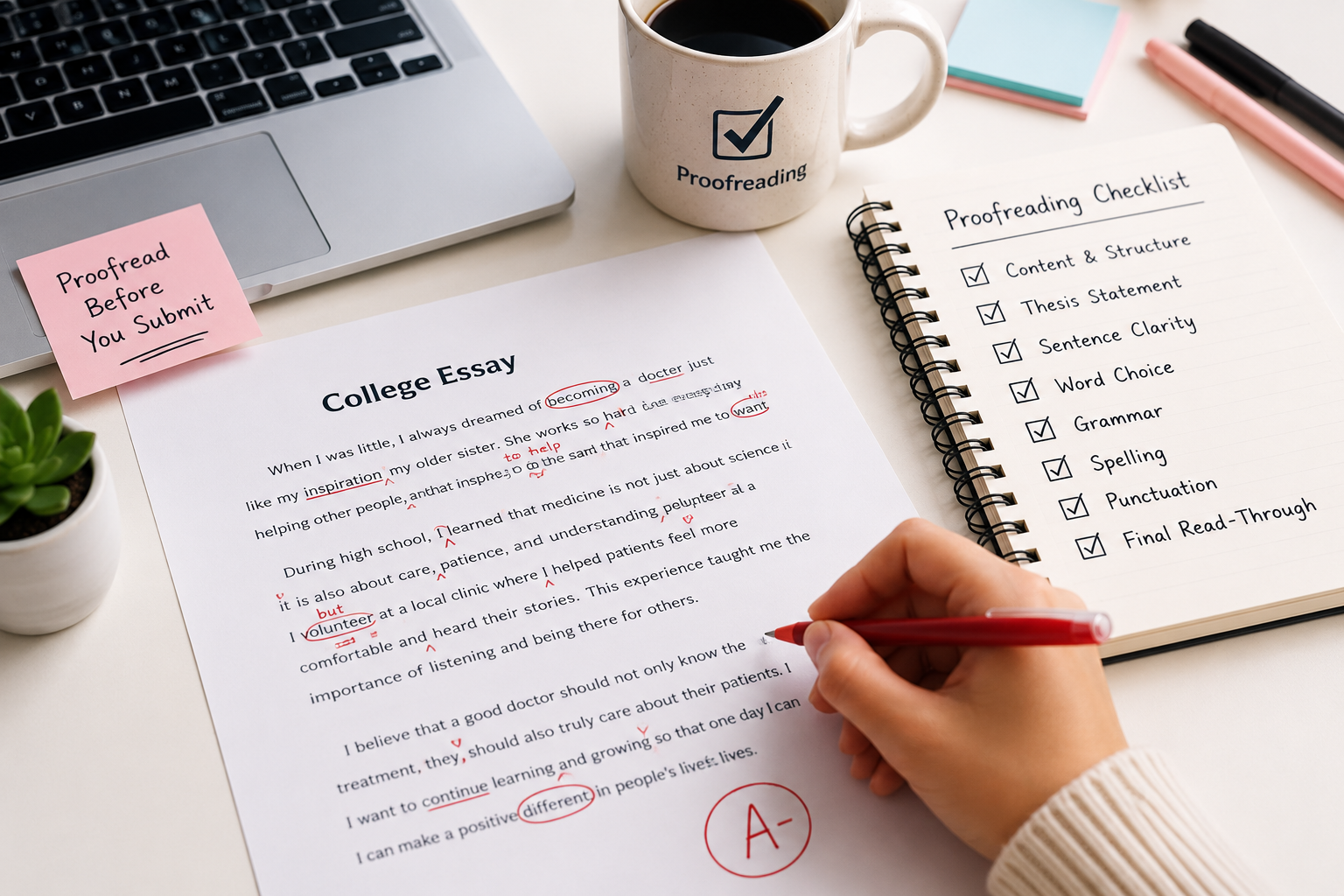
One of the clearest signs that a manuscript needs editing is the presence of repeated language mistakes. These may include grammatical errors, incorrect verb tenses, missing articles, punctuation problems, or spelling inconsistencies. Although occasional mistakes are understandable, repeated errors can affect readability and make the paper appear less polished.
In academic writing, even small language issues can interrupt the flow of an argument. Reviewers may struggle to focus on the research itself if they are constantly correcting sentences mentally while reading. In some cases, extensive language problems can even lead to rejection before peer review.
2. Long or Awkward Sentence Structure
Many researchers are highly knowledgeable in their fields but struggle to express complex ideas concisely. As a result, papers may contain sentences that are excessively long, repetitive, or difficult to follow. Awkward phrasing often appears when authors try to sound overly formal or combine too many ideas into a single sentence. For example, a paragraph may contain multiple clauses or vague wording that forces readers to reread the text several times. Even if the ideas themselves are strong, unclear sentence structure can reduce the overall impact of the paper.
→ Not sure if your sentences are clear? Get a professional edit before your deadline.
3. Inconsistent Tone or Writing Style
Tone inconsistencies are common, especially in collaborative papers written by multiple authors or in manuscripts revised over a long period. A paper may shift suddenly between formal and informal language, alternate between simple and highly technical explanations, or switch inconsistently between active and passive voice. These inconsistencies can make the manuscript feel fragmented and less professional overall. They may also create the impression that the paper was assembled from multiple drafts without careful revision.
4. Unclear or Confusing Arguments
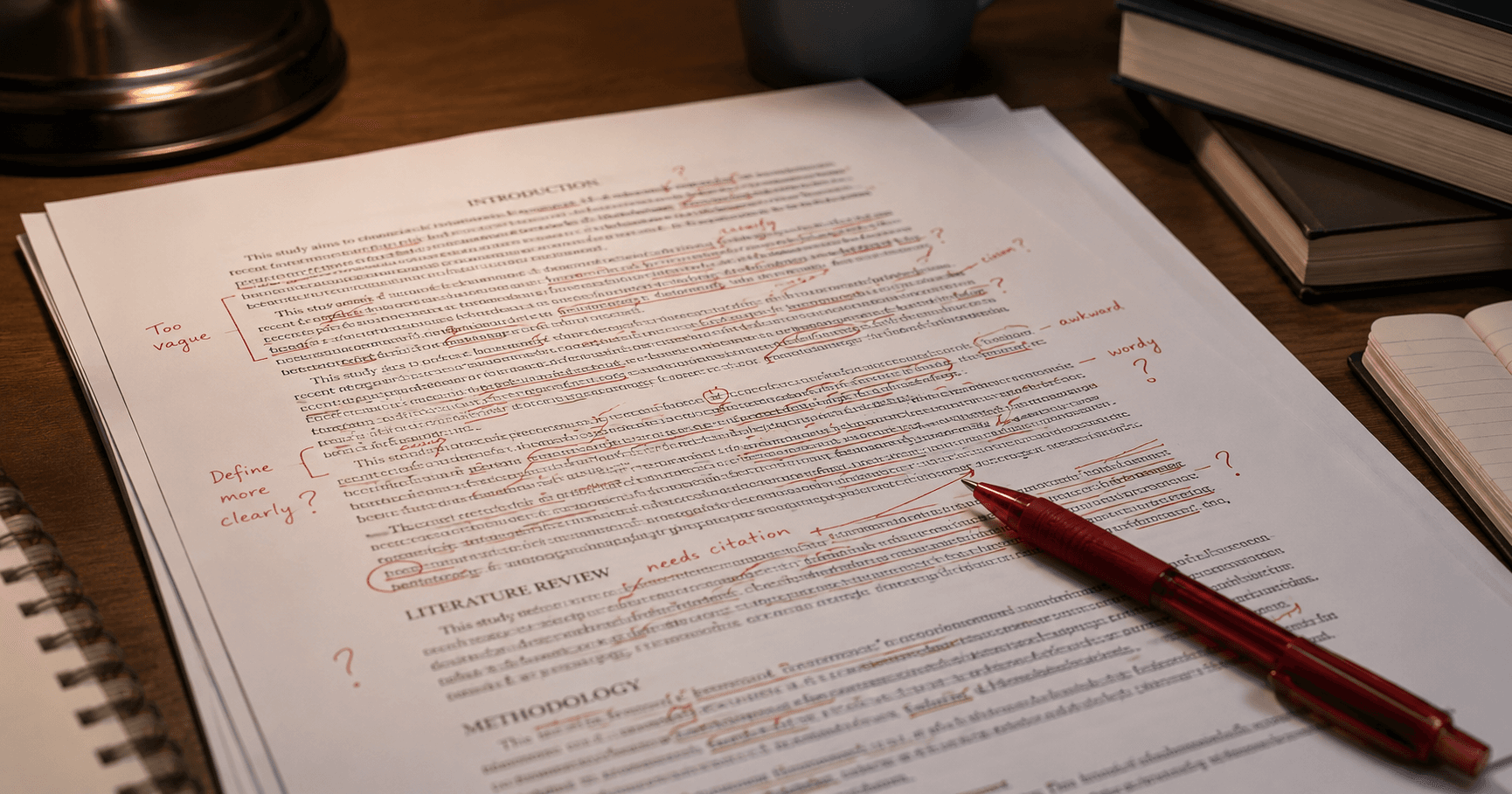
Signs of unclear argumentation include abrupt topic shifts, unsupported claims, weak transitions between paragraphs, or conclusions that do not clearly connect to the evidence presented earlier in the paper. In some cases, the paper may contain all the necessary information but fail to present it in a logical sequence. This issue is especially common when authors are deeply familiar with their topic and unintentionally skip explanatory steps that readers may need.
5. Inconsistency with Journal or Academic Guidelines
Every journal has specific submission requirements, and failing to follow them can create unnecessary problems during the review process. Common issues include inconsistent heading formats, improper figure labeling, formatting inconsistencies, or failure to follow word count and structural requirements. Sometimes, these problems appear minor, but journals often expect strict adherence to their guidelines. A manuscript that does not comply with formatting or stylistic standards may appear careless, even if the research itself is strong.
→ Our editors check formatting, citations, and style against journal requirements. [Get your instant quote]
6. Incorrect or Inconsistent Referencing
This may involve missing citations, mismatches between the text and the reference list, inconsistent citation formatting, or incomplete bibliographic information. For example, an in-text citation may not appear in the reference list, author names may be formatted inconsistently, or publication details may be missing entirely. Inaccurate referencing can create confusion and raise concerns about the manuscript’s reliability.
7. Difficulty Detecting Your Own Mistakes
After spending weeks or months working on a manuscript, many authors become too familiar with the text to notice its weaknesses. This is a normal part of the writing process. The brain often fills in missing words, overlooks repetition, or ignores unclear phrasing because the author already knows what they intended to say. As a result, even careful self-editing may fail to identify important issues. Reading the paper multiple times does not always solve the problem, especially when the writer is emotionally and intellectually attached to the work.
→ Ready to submit with confidence? PaperCheck editors review grammar, structure, tone, and citations — fast turnaround guaranteed. [Get your instant quote]
In sum, submitting a manuscript is a significant step in the research process, and presentation matters alongside content. The elements discussed above can all reduce the effectiveness of an otherwise valuable study.
Professional editing does not replace strong research, but it helps ensure that the research is communicated as clearly and professionally as possible. By addressing these common weaknesses before submission, authors can improve readability, strengthen the overall quality of the manuscript, and give themselves a better chance of successful publication.