Why Papers Get Rejected by Academic Journals
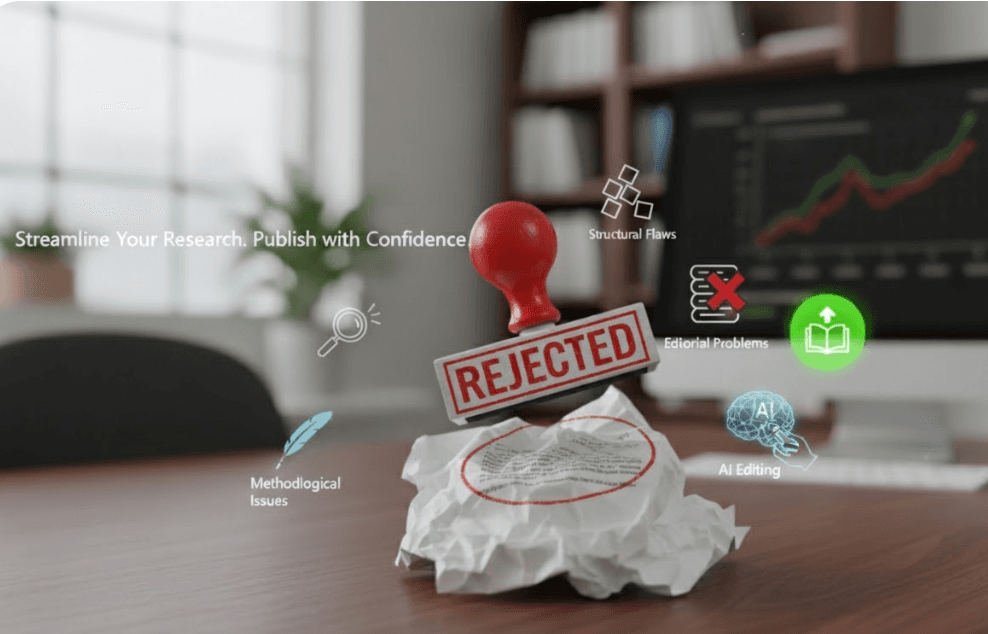
Academic journal rejections result from technical and editorial mistakes that undermine research credibility and clarity.
Technical issues underlie many rejections: studies with incomplete or unreliable data—small sample sizes without adequate controls or poor-quality measurements—often fail to provide convincing evidence. In the same vein, a weak research design that relies on outdated or incomplete methods, combined with inadequate analysis, leaves important methodological gaps and generally yields ambiguous test results, preventing reviewers from assessing whether the conclusions are actually well-supported. Moreover, when findings cannot be generalized beyond the specific research context, the work loses impact and applicability.
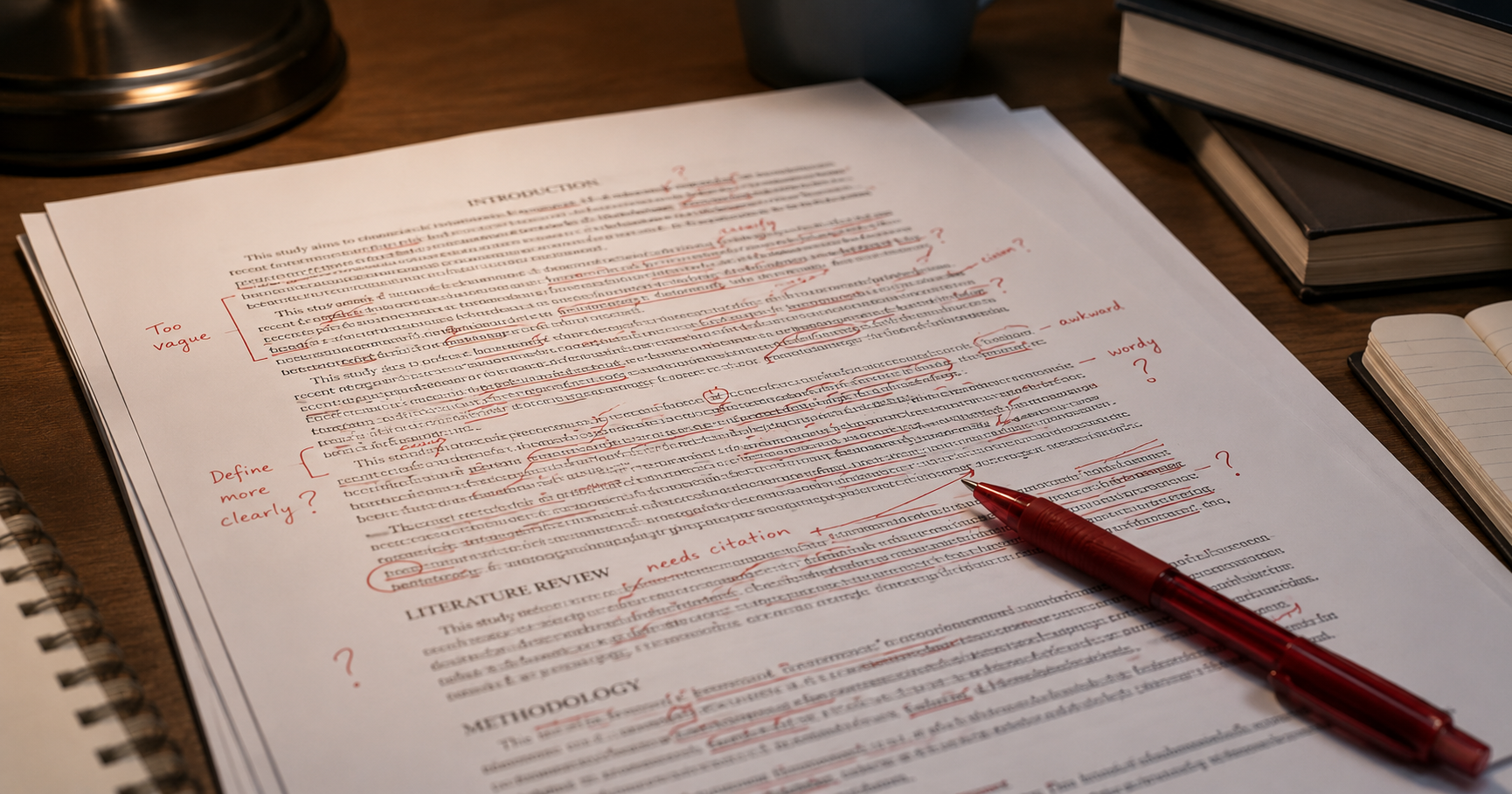
Equally important are presentation or editorial problems, which often trigger rejection before peer review. Poor organization, ambiguous logic, and overly crowded arguments make it difficult to follow the paper’s structure, confusing readers and burying the central argument under unnecessary details. Additionally, grammar errors, excessive jargon, and unclear tables or figures further hinder understanding in a context where precision is essential.
Finally, structural and compliance issues also matter: non-compliance with journal formatting guidelines, exceeding length limits, and missing required sections may result in immediate rejection. Also, weak or inadequate literature reviews that rely on outdated or low-quality citations fail to establish a proper context for why the research matters, further eroding credibility and often signaling a lack of scholarly rigor.
Collectively, these failures lead editors and reviewers to conclude that the manuscript makes insufficient contributions or that the ideas presented are too unclear or unconvincing to merit publication.
How Can Editing Improve Chances of Publication?
Editing directly addresses several of the issues mentioned before, substantially improving a manuscript’s chances of publication.
Clarity and logical flow: Editing enhances coherence and organization by restructuring paragraphs, clarifying transitions, and ensuring that each section supports the main argument. When the argument progresses logically, it is easier for reviewers to evaluate the study’s contribution.
Language precision and readability: Grammar, punctuation, and stylistic corrections reduce unnecessary jargon and simplify overly complex sentences that may obscure the paper’s meaning. Precise language is essential in academic writing.
Methodological transparency: Although editors do not change underlying data, they can identify gaps in explanations, unclear descriptions, or inconsistencies.
Presentation of data and visuals: Ensuring that tables and figures are clearly labeled, logically referenced, and easy to interpret allows reviewers and readers to quickly understand the evidence supporting the study’s findings.
Ensuring compliance with journal guidelines: Professional editing also checks for formatting, citation style, word limits, section structure, and other requirements a journal may have.
Overall, editing refines adherence to academic standards, clarity, and organization. With a fluent, easy-to-follow manuscript, reviewers can focus on the research contributions rather than being distracted by technical or presentation issues.
At PaperCheck, our expert editors help researchers refine clarity, strengthen structure, and ensure manuscripts meet academic and journal standards.
👉 Upload your manuscript today and receive expert editing support.